
Several factors can influence the cost of targeted therapy, including:
Type of Cancer: The specific cancer being treated can affect the cost. For example, some cancers require more expensive medications or treatment regimens.
Type of Therapy Used: The type of targeted therapy (monoclonal antibodies, small molecules, or gene therapy) can have a significant impact on the overall cost.
Experience of the Medical Team: The expertise of oncologists and healthcare providers can influence the price, particularly in high-demand or specialized centers.
Choice of Hospital: Hospitals with higher reputations, advanced technologies, and specialized cancer treatment programs may charge higher fees for targeted therapy.
Location: The cost can differ from country to country, with healthcare prices varying across regions.
Insurance Coverage: Some insurance providers may cover part of the cost, reducing out-of-pocket expenses for patients.
Follow-up Care and Rehabilitation: After treatment, patients may need ongoing monitoring and therapy, which can contribute to the total cost.
Get Free Consultation
Targeted therapy is a cutting-edge cancer treatment that works by targeting specific molecules or genes responsible for cancer cell growth and survival. Unlike traditional treatments like chemotherapy, which affect both healthy and cancerous cells, targeted therapy precisely attacks cancer cells while minimizing damage to healthy tissue, offering a more focused and effective treatment with fewer side effects.
At Mozocare, we connect patients with world-class hospitals and experienced oncologists offering targeted therapy treatments. Whether you're seeking treatment for breast cancer, lung cancer, colon cancer, or other types, we can help you access the best healthcare options tailored to your needs.
Why Choose Targeted Therapy?
Precision Medicine: Focuses on genetic and molecular characteristics of your cancer to ensure treatment is specific to your condition.
Minimized Side Effects: Compared to traditional therapies, targeted therapy typically causes fewer side effects.
Better Outcomes: Targeted therapies can improve the effectiveness of treatment and offer hope where other options may not be suitable.
Targeted therapy is a type of cancer treatment that uses drugs or other substances to precisely target and attack cancer cells, while minimizing damage to healthy cells. It works by interfering with specific molecules that are involved in the growth and survival of cancer cells.
Cancer occurs when the cells of the body grow uncontrollably. In many types of cancer, the growth and spread of cancer cells are influenced by certain proteins or genes. Targeted therapy is designed to specifically target these molecules, blocking the signals that tell cancer cells to grow or spread.
Types of Targeted Therapy
Monoclonal Antibodies: These are man-made versions of antibodies that can bind to cancer cells, marking them for destruction or blocking signals that allow them to grow.
Small Molecule Drugs: These drugs are designed to enter cancer cells and interfere with specific molecules involved in cancer growth.
Gene Therapy: This method involves altering the genes within cancer cells to correct abnormalities or to make the cells more vulnerable to treatment.
Cost of Target Therapy Abroad
The cost of targeted therapy can vary greatly depending on the type of cancer being treated, the specific targeted therapy used, and the country in which the treatment is provided. Generally, the cost of targeted therapy abroad can be more affordable than in Western countries due to differences in healthcare pricing.
Targeted therapy is administered through:
Oral Medications: Pills or capsules that patients can take at home.
Intravenous (IV) Therapy: Drugs are delivered through a vein, typically at a hospital or clinic.
The therapy is customized to the patient’s specific cancer type, and it is often combined with other cancer treatments, such as chemotherapy, radiation, or surgery, depending on the cancer's stage and aggressiveness.
Recovery varies depending on the patient and the type of therapy administered. Unlike traditional chemotherapy, which affects both cancer and healthy cells, targeted therapy is generally less toxic to healthy cells and can have fewer side effects. However, patients may still experience side effects like fatigue, skin problems, or changes in blood pressure, which require monitoring.
Recovery time varies but is usually quicker compared to chemotherapy. Patients typically recover in a few days to weeks, depending on the therapy type and side effects.
Targeted therapy can specifically attack cancer cells, minimizing damage to healthy cells and often leading to fewer side effects compared to traditional therapies like chemotherapy.
Yes, targeted therapy is considered safe for most patients. However, it may cause side effects that need to be managed by a medical team.
Targeted therapy is more precise and targets specific molecules in cancer cells, while chemotherapy affects both cancer and healthy cells, leading to more side effects.
Yes, targeted therapy is available in many countries around the world, particularly in advanced medical centers that specialize in cancer treatment. Mozocare helps you find the best hospitals and oncologists abroad offering targeted therapy for various types of cancer.
Traveling abroad for targeted cancer therapy can provide access to world-class medical treatments, affordable options, and specialized care that may not be available in your home country. Mozocare connects you with the best hospitals and clinics globally to ensure you receive top-notch treatment.
Preparation for international travel for targeted therapy includes securing medical records, obtaining necessary travel documents, consulting with a medical professional, arranging accommodation, and coordinating with your hospital abroad for seamless treatment.
Yes, many patients choose to return home for follow-up care after undergoing targeted therapy abroad. Mozocare can help coordinate with your local healthcare providers to ensure continuity of care after your treatment.
Depending on the country where you're receiving treatment, you may need a medical visa. Mozocare can assist you with the visa application process and provide necessary documentation for medical purposes.
Costs can vary depending on the country and healthcare provider. Mozocare offers cost-effective treatment options and can help you estimate the total cost of treatment, including travel and accommodation. Additionally, we provide information on insurance coverage that may help reduce out-of-pocket expenses.
Many hospitals offering targeted therapy internationally have English-speaking staff, and Mozocare ensures that you will be paired with facilities that can cater to your language needs. Interpreter services are often available to assist with communication.
Mozocare helps you select the best hospital for targeted therapy based on factors such as the hospital's reputation, experience of oncologists, treatment options available, and affordability. We ensure that you receive world-class care suited to your needs.
Yes, you can travel with a companion or family member for support during your treatment. Many hospitals abroad also provide accommodation options for companions. Mozocare can help you arrange suitable accommodation for both patients and companions.
| The University Hospital of Tokyo | |
| Prime Hospital | |
| Asan Medical Center | |
| Incheon St. Mary's Hospital | |
| Seoul National University Bundang Hospital | |
| Dongguk University Ilsan Medical Center | |
| Zulekha Hospital | |
| Chiangmai Ram Hospital | |
| Canadian Specialist Hospital | |
| Mission Hospital |

Tokyo, Japan
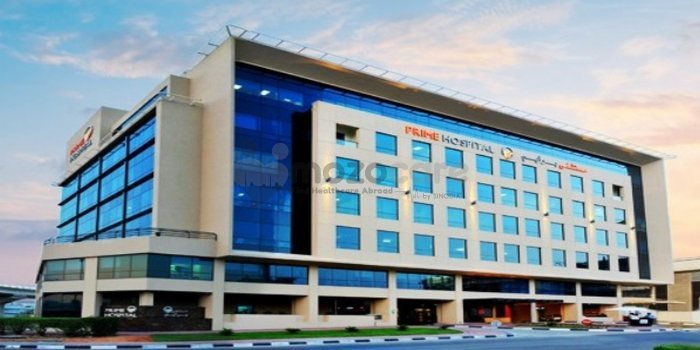
Dubai, United Arab Emirates

Seoul, South Korea

Incheon, South Korea
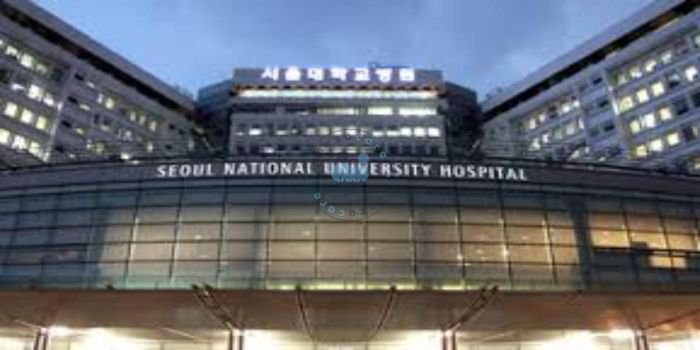
Bundang, South Korea