
There are many factors that can affect the costs
Actinic Keratoses (AKs) are scaly, crusty patches of skin that develop on areas of the skin that are frequently exposed to the sun. Although they are not cancerous, AKs are considered precancerous and can lead to skin cancer if left untreated.
Treatment for AKs may vary depending on the severity of the condition, but generally involves topical therapies, chemical peels, photodynamic therapy, cryotherapy, laser therapy, curettage and electrodesiccation, and 5-fluorouracil.
Cost of Actinic Keratoses Treatment:
The cost of AKs treatment varies from country to country and depends on a variety of factors, including the severity of the condition, the number of treatment sessions required, and the type of treatment chosen. In general, AKs treatment is more expensive in developed countries than in developing countries.
AKs treatment is a medical procedure that is performed to remove scaly, crusty patches of skin that develop on areas of the skin that are frequently exposed to the sun.
Treatment for AKs may vary depending on the severity of the condition, but generally involves topical therapies, chemical peels, photodynamic therapy, cryotherapy, laser therapy, curettage and electrodesiccation, and 5-fluorouracil.
Before undergoing AKs treatment, patients should inform their doctor about any medical conditions they may have, as well as any medications they are currently taking.
Patients should also avoid sun exposure for a few weeks prior to treatment.
AKs treatment is performed in a doctor's office or clinic. The type of treatment chosen depends on the severity of the condition.
Topical therapies involve applying a cream or lotion to the affected area. Chemical peels involve applying a chemical solution to the skin to remove the affected tissue. Photodynamic therapy involves applying a photosensitizing agent to the skin, followed by exposure to a special light source.
Cryotherapy involves freezing the affected tissue with liquid nitrogen. Laser therapy involves using a laser to destroy the affected tissue. Curettage and electrodesiccation involve scraping the affected tissue with a sharp instrument and then using an electric current to destroy the remaining tissue. 5-fluorouracil involves applying a cream to the affected area, which causes the skin to become red and irritated, and eventually peels off.
Recovery time varies depending on the type of treatment chosen. Patients who undergo topical therapies generally have little to no downtime.
Patients who undergo chemical peels or photodynamic therapy may experience redness, swelling, and peeling for several days following treatment.
Patients who undergo cryotherapy or laser therapy may experience blistering, swelling, and discomfort for several days following treatment.
Patients who undergo curettage and electrodesiccation or 5-fluorouracil may experience scabbing and discomfort for several days following treatment.
Actinic Keratoses are caused by long-term exposure to ultraviolet (UV) radiation from the sun or tanning beds.
People with fair skin, light-colored hair and eyes, and those who spend a lot of time outdoors are at higher risk of developing AKs.
Although AKs are not cancerous, they are considered precancerous and can lead to skin cancer if left untreated.
Actinic Keratoses can be prevented by avoiding sun exposure, wearing protective clothing and sunscreen, and avoiding tanning beds.
AKs are diagnosed through a skin examination by a dermatologist.
The level of pain associated with AKs treatment depends on the type of treatment chosen. Topical therapies generally have little to no discomfort, while cryotherapy and laser therapy may cause discomfort.
The length of AKs treatment varies depending on the type of treatment chosen.
AKs may return after treatment, especially if sun exposure continues.
Yes, AKs can be treated abroad. Many countries offer AKs treatment at a lower cost than developed countries.
The coverage for AKs treatment varies depending on the insurance plan. Patients should consult with their insurance provider to determine coverage.
| Capital Health - CityPraxen Berlin | |
| HELIOS Hospital Berlin-Zehlendorf | |
| Antwerp University Hospital | |
| HELIOS Dr. Horst Schmidt Hospital Wiesbaden | |
| Assuta Hospital | |
| Hadassah Medical Center | |
| Klinik Hirslanden | |
| Clinique de Genolier | |
| Medeor 24x7 Hospital Dubai | |
| Netcare Linksfield Hospital |

Berlin, Germany
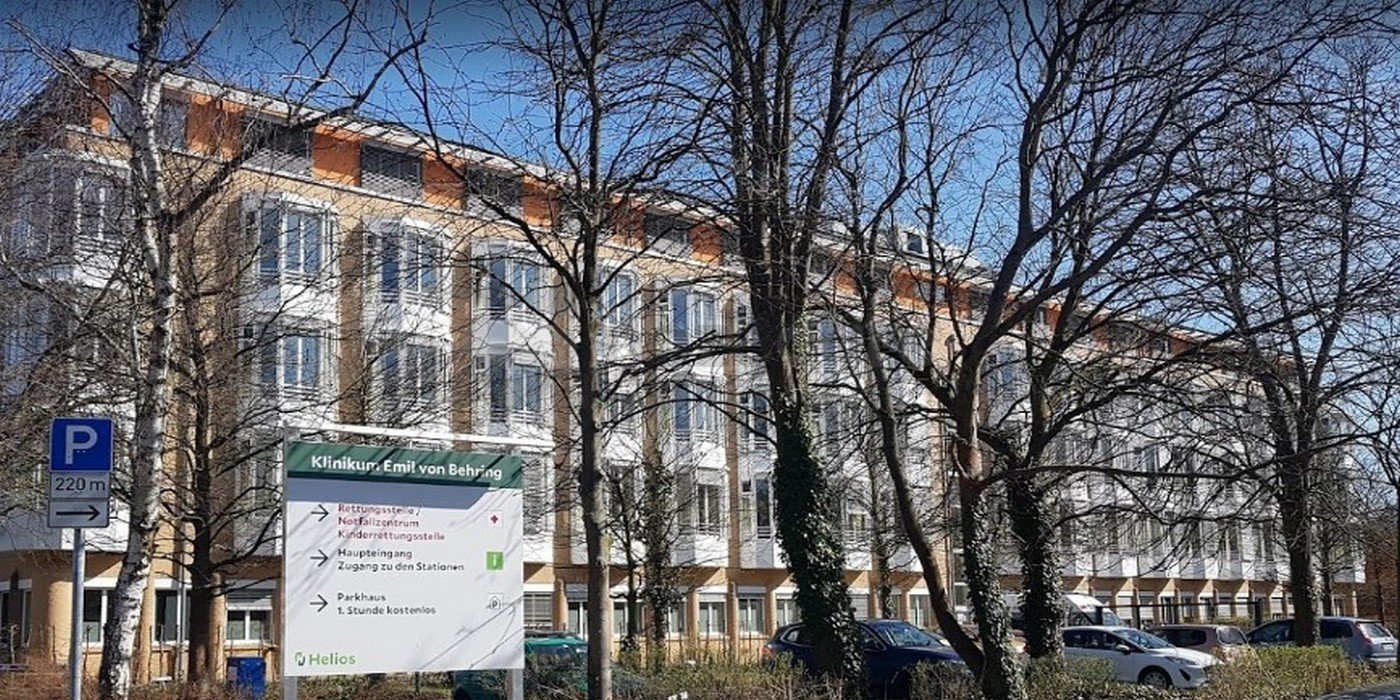
Berlin, Germany

Edegem, Belgium
Wiesbaden, Germany
Tel Aviv, Israel